Services Restoration & Waterproofing
Restoration & Waterproofing
Stop water first. Everything else in a paint job depends on it.
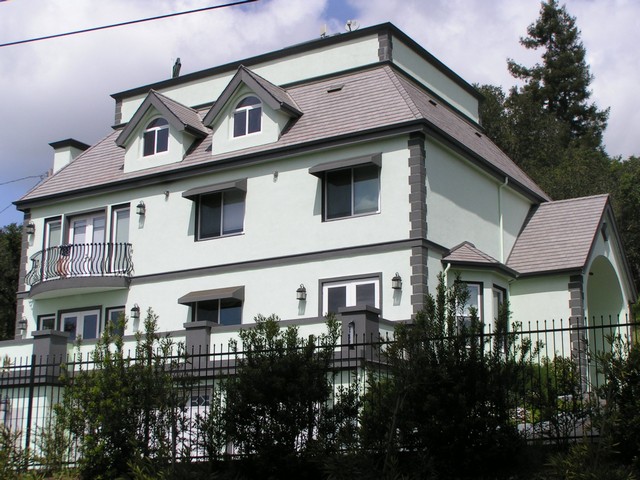
Most paint failure is really water failure. Water finds a crack or an open joint, gets behind the surface, rusts rebar, rots wood, and pushes coatings off from the inside. Solidarity has treated waterproofing as a core trade since 1990 — Greg's early career included waterproofing high-rise buildings in San Francisco — and it shapes how every restoration project here is scoped.
The work comes in two forms. Proactive waterproofing prevents damage before water gets in: sealed joints, sound coatings, and flexible elastomeric systems over crack-prone surfaces. Remedial waterproofing corrects damage that has already happened — repairing spalls, injecting cracks, and rebuilding the envelope — to prolong the life of the structure and make it safe again.
It's unglamorous work that disappears under the finish coat. It's also the difference between a paint job that lasts and one that fails from behind.
How spalls happen
When water infiltrates concrete, the steel reinforcement inside rusts and expands — and the expanding steel breaks the surrounding concrete away in flakes and chunks called spalls. Left alone, the exposed steel rusts faster and the damage accelerates.
Proactive vs. remedial
Proactive waterproofing prevents damage water would cause; remedial waterproofing corrects damage and prolongs the structure's life. The first is always cheaper — which is why inspection and sealed joints are part of every Solidarity repaint.
Often paired with
Restoration & Waterproofing
Stucco & Concrete Restoration
Crack and spall repair, injection systems, and elastomeric membranes that restore stucco and concrete surfaces — and keep them watertight.
Learn more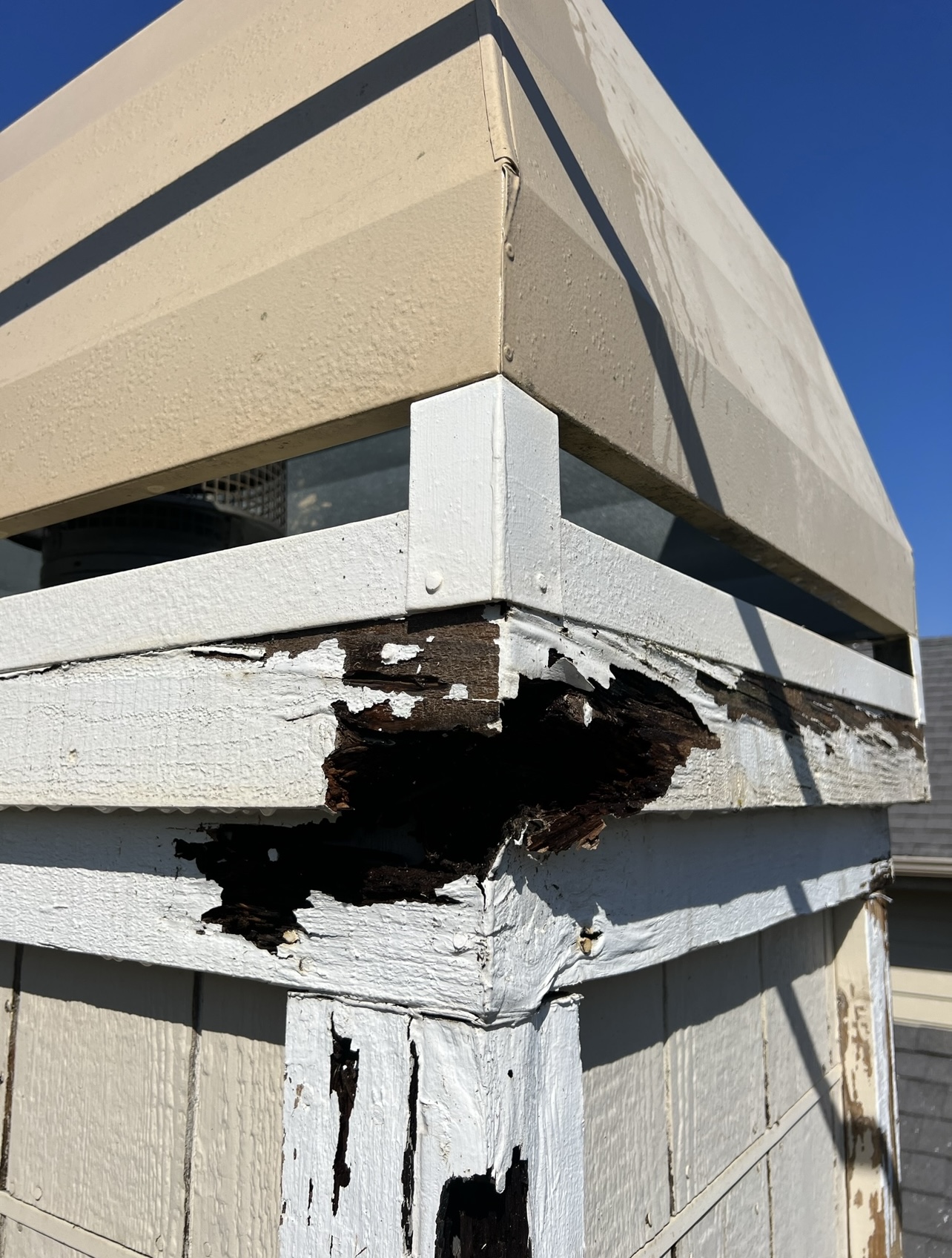
Restoration & Waterproofing
Dry Rot Repair
Finding and replacing rot-infected wood before it spreads — the repair discipline that separates a restoration contractor from a repaint crew.
Learn more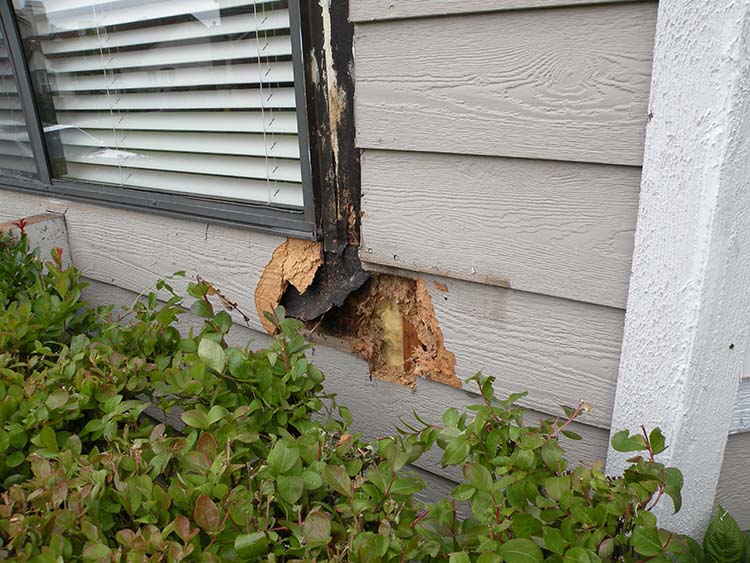
Specialty & Preparation
Caulking & Sealing
Sealing the joints, seams, and perimeters where water starts its damage — the deterrent that prevents dry rot instead of repairing it.
Learn more